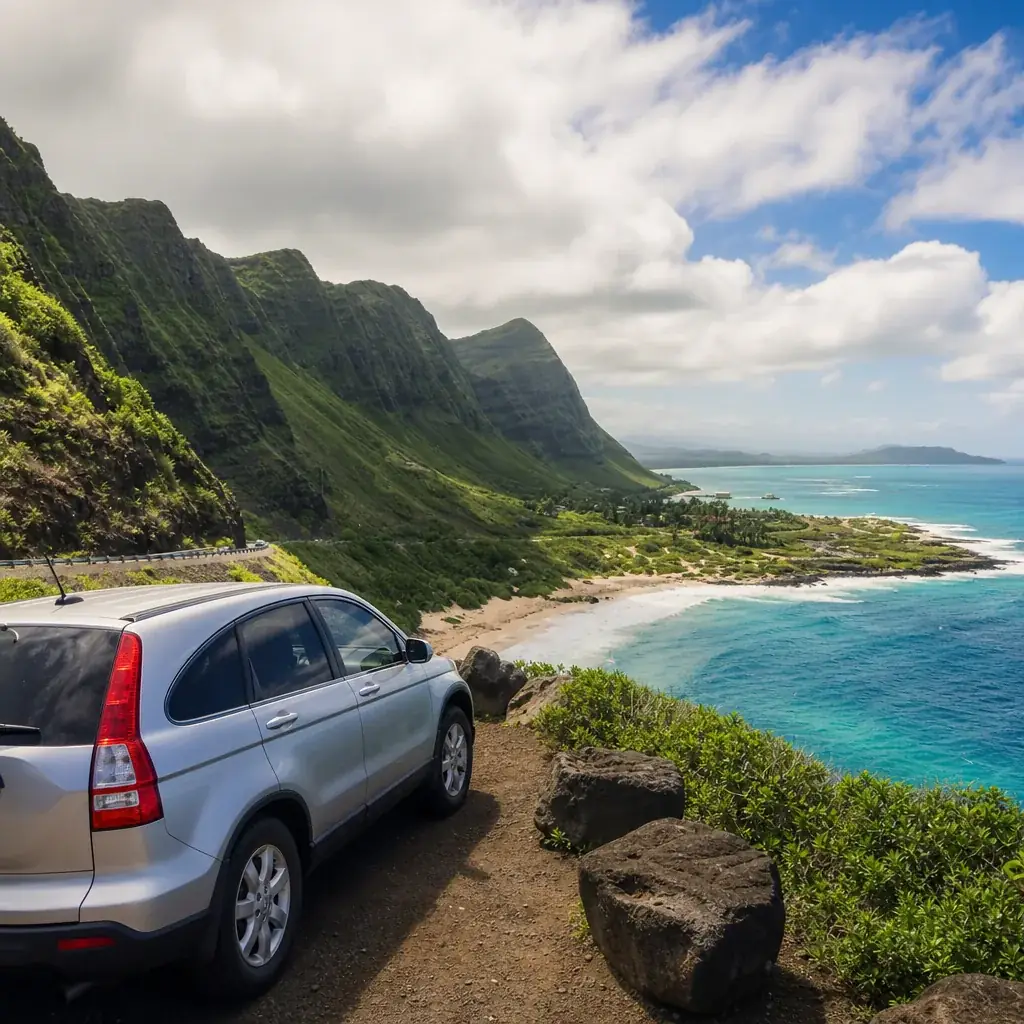
You don’t always need a car in Hawaii, but the answer depends heavily on the island, where you stay, and whether you want to explore beyond the main resort areas. For a relaxing trip centered on one neighborhood or resort, you can often skip it; for beaches, hikes, and scenic drives, a car is usually worthwhile.
By island
Oʻahu: A car is optional, especially in Waikīkī or central Honolulu. Public buses, rideshares, shuttles, and organized tours can cover many popular attractions. Parking in Waikīkī is often expensive, so renting a car only on selected sightseeing days may be the best compromise. A car becomes more useful for exploring the North Shore, windward coast, and less-central beaches on your own schedule.
Maui: A car is strongly recommended. Resorts may have local shuttles, but attractions, beaches, trailheads, and restaurants are spread out. Driving is especially useful for areas such as Haleakalā and the Road to Hana. Some rental agreements restrict particular unpaved or remote roads, so check the terms before setting out.
Hawaiʻi Island, also called the Big Island: You will almost certainly want a car. The island is large, destinations are widely separated, and public transportation is not designed around typical visitor itineraries. Expect long drives between resort areas, Hawaiʻi Volcanoes National Park, Hilo, and other sights.
Kauaʻi: A car is generally recommended. Public transportation exists, but it is not the most convenient way to reach many beaches, hikes, and viewpoints. Parking and access rules may apply at especially popular locations, so reservations can matter even when you have a vehicle.
Molokaʻi and Lānaʻi: Transportation is limited, and planning ahead is important. A rental car may be useful, but availability and road conditions can be more restrictive than on the larger islands. Some routes require an appropriate vehicle or may be prohibited by rental contracts.
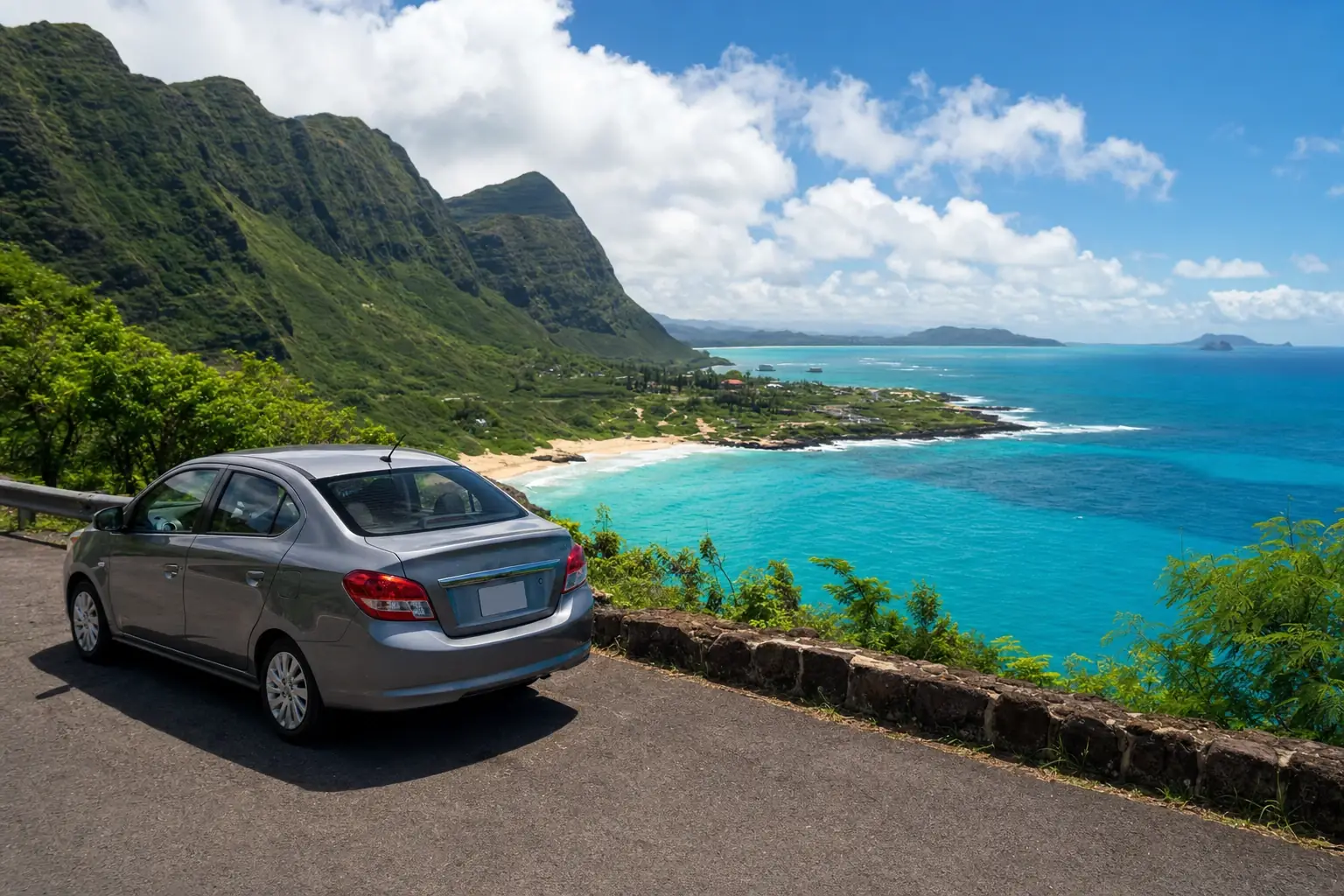
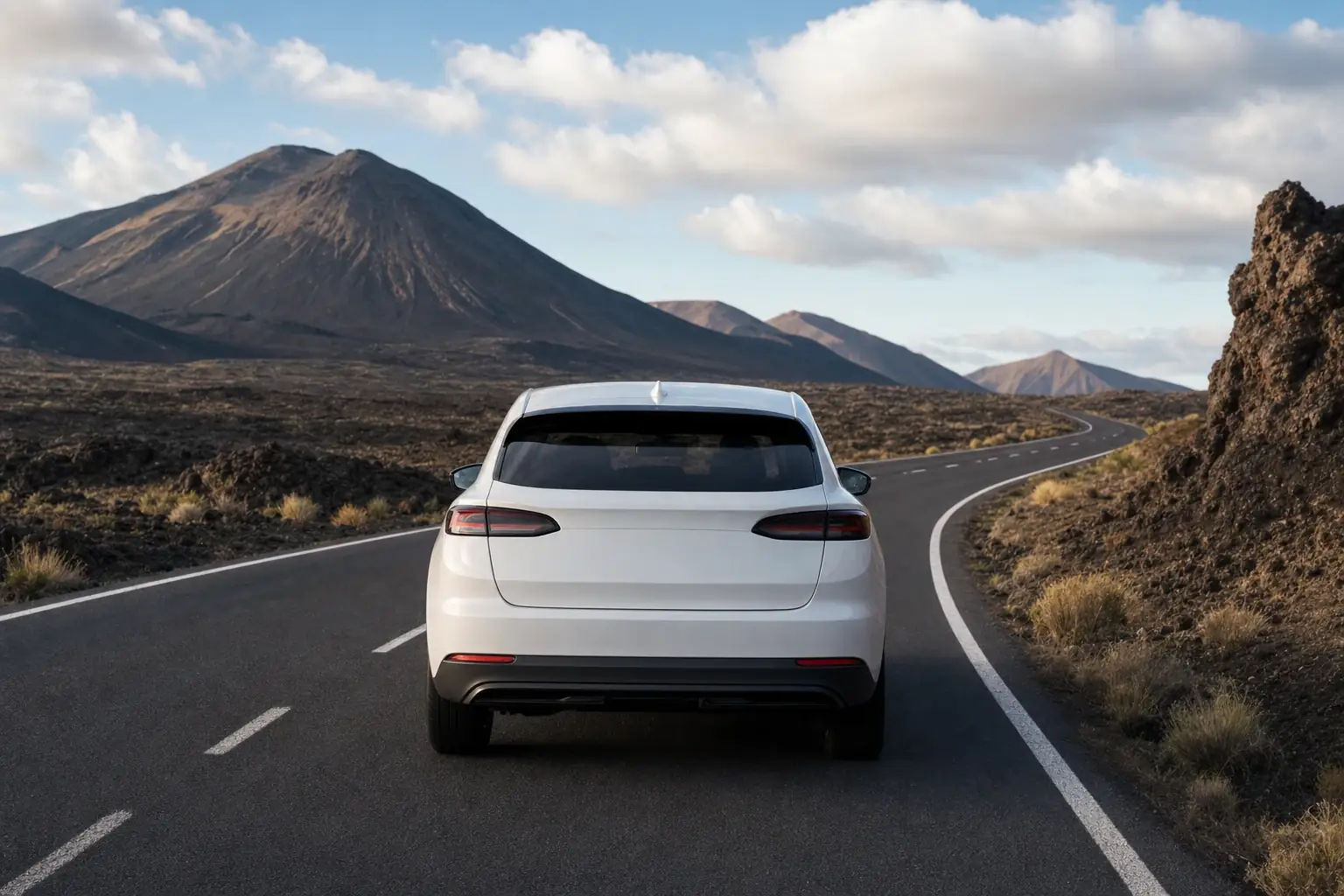
Driving provides access to many scenic areas beyond Hawaiʻi’s main resort centers.
When you can comfortably skip a car
You may not need one if you’re staying in a walkable resort district, spending most days at the beach or pool, and using tours for major excursions. Airport transfers, hotel shuttles, taxis, and rideshares can be cheaper than paying for a rental plus hotel parking—particularly on Oʻahu.
When renting makes sense
Get a car if your plans include multiple beaches, early-morning hikes, scenic drives, remote restaurants, or frequent travel outside a resort zone. Compare the total daily cost, including rental rate, taxes, fuel, hotel parking, attraction parking, and insurance—not just the advertised rental price.
A practical strategy for many trips is to stay car-free for resort days and rent one for two or three exploration days. Reserve early during holidays and peak seasons, choose the smallest vehicle that fits your group and luggage, and avoid leaving valuables visible inside. Also verify overnight parking before booking accommodations, since parking fees can substantially change the budget.